
Why Car Insurance Matters: Legal Compliance, Financial Security, and Choosing the Right Cover
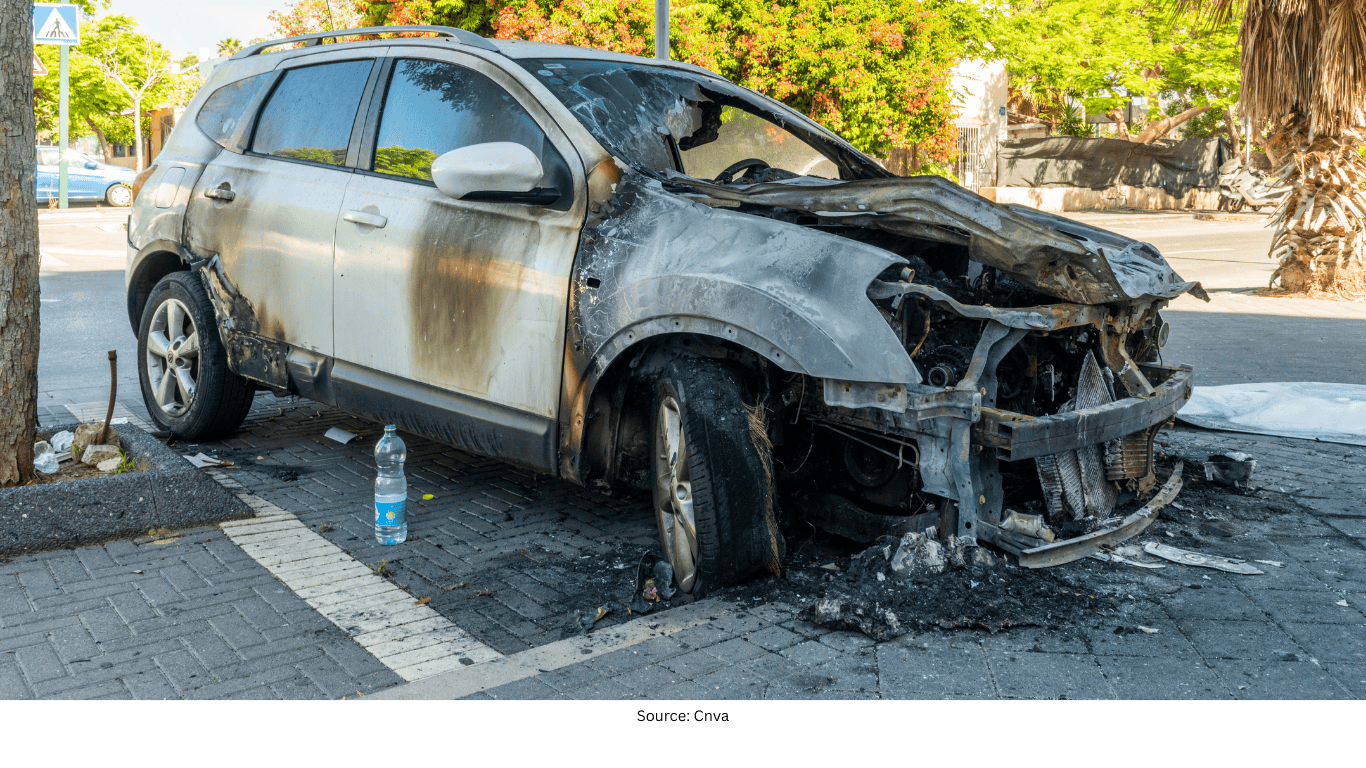
Car insurance: a practical safeguard with legal importance
Car insurance plays two central roles for vehicle owners. First, it is legally required, helping ensure that drivers can cover the costs of damage or injury they may cause to other people in an accident. Second, it provides a financial safety net for the policyholder, reducing the risk that a single incident turns into a major personal expense.
Even careful drivers face unpredictable situations on the road. Insurance exists to manage that uncertainty. When something goes wrong—whether it is a collision, damage to your vehicle, or a claim from another party—having the right policy in place helps you respond quickly and with more financial stability.
Seven reasons car insurance is important
Car insurance is often discussed in terms of “must-have” versus “nice-to-have.” In reality, its value shows up in several distinct ways. Below are seven practical reasons it matters for most drivers and vehicle owners.
- It helps you meet legal requirements. Car insurance is legally required to ensure drivers can cover the costs of damages or injuries they may cause to others in accidents.
- It protects you from significant financial losses. Accidents and other incidents can lead to large, unexpected bills. Insurance helps reduce the financial shock.
- It can cover repair costs after an accident. Beyond legal liability, many policies support the cost of repairing your own vehicle after covered events.
- It provides protection against theft. Depending on the policy type, theft may be included as a covered risk, helping you manage losses if your vehicle is stolen.
- It can help after natural disasters. Some cover extends to damage caused by natural disasters, which can be costly and hard to predict.
- It supports third-party liability protection. If you are responsible for damage or injury to others, third-party liability cover is a key part of financial protection.
- It may include added services such as roadside assistance and faster repairs. Some policies include roadside assistance and may provide faster repair services through trusted networks.
What car insurance can protect you against
While the details vary by policy, the core purpose remains consistent: to provide financial protection against a range of risks connected to vehicle ownership and driving. In addition to covering repair costs after an accident, car insurance may offer protection against theft, natural disasters, and third-party liabilities.
It is also common for policies to include service-related benefits. Roadside assistance can help in situations where your vehicle becomes undrivable, and insurer-approved repair networks may speed up repairs. These features are not just conveniences; they can reduce disruption and help you get back on the road sooner after an incident.
Comprehensive insurance: broad coverage, but read the policy carefully
Comprehensive insurance is typically described as providing broad coverage. It can include damages from accidents, theft, natural disasters, and vandalism. For many drivers, this wider scope is appealing because it addresses multiple categories of risk under one policy.
However, “comprehensive” does not automatically mean “everything.” Certain specific incidents might require additional coverage. That is why it is important to read your policy thoroughly and understand what is included, what is excluded, and whether optional add-ons are available for the gaps that matter to you.
How to respond after an accident: steps that support a smoother claim
Knowing what to do immediately after an incident can make the claims process more straightforward. The key actions are practical and focused on timely reporting and good documentation.
- Contact your insurance provider immediately. Report the details of the incident as soon as possible.
- Follow the insurer’s claim procedure. Each provider has its own process, and sticking to it helps avoid delays.
- Document the accident. Take photos and keep clear records of what happened.
- Collect information from other parties involved. Gather all necessary information from the other parties to support your claim.
These steps are not only about meeting requirements; they help create a clear account of the incident. In many cases, good documentation and prompt reporting can reduce back-and-forth and help the insurer assess the situation more efficiently.
Adjusting your policy as your needs change
Car insurance is not necessarily a “set it and forget it” product. Policies can be adjusted to meet changing needs. For example, you may want to add more coverage, reduce protection that no longer fits your situation, or update your policy to reflect new circumstances.
Insurers typically offer flexible options, which can be useful as your driving habits, vehicle usage, or preferences change over time. The key is to treat insurance as something you review periodically, rather than only thinking about it at renewal time or after an incident.
Comparing policies: a structured way to choose the right car insurance
Choosing the right car insurance is easier when you approach it as a comparison exercise rather than a guess. The best way to select a policy is by evaluating your vehicle’s needs, your driving habits, and the level of coverage you want. From there, you can compare different policies, look for customer reviews, and consider any additional protections available.
To make that comparison clearer, the table below organises common decision points into a simple checklist. It does not rank providers; instead, it helps you compare like-for-like features and decide what matters most for your circumstances.
Comparison table: how to evaluate car insurance options
- Coverage focus
- Basic need: Meet legal requirements and cover third-party liabilities.
- Broader need: Include repair costs and protection against theft, natural disasters, and vandalism (often associated with comprehensive cover).
- What to compare: What risks are covered and what incidents may require additional coverage.
- Claims process expectations
- Basic need: Clear steps for reporting and submitting a claim.
- What to compare: Whether the process is easy to follow and what documentation is required (photos, details, other-party information).
- Repair support
- Basic need: Coverage for repair costs after a covered incident.
- What to compare: Whether faster repair services are available through trusted networks.
- Extra services
- Optional need: Roadside assistance.
- What to compare: Whether roadside assistance is included and how it fits your driving habits.
- Flexibility over time
- Basic need: Ability to update the policy when circumstances change.
- What to compare: Options to add coverage, reduce unnecessary protection, or update details as needed.
- Confidence checks
- Basic need: Assurance the policy matches your needs.
- What to compare: Customer reviews and the availability of additional protections.
Why reading the policy matters as much as buying it
Many insurance frustrations come from misunderstandings about what is covered. Comprehensive insurance can provide broad protection, but certain incidents might still require additional coverage. The most reliable way to avoid surprises is to read your policy thoroughly.
That review is also where you can confirm how claims should be reported, what evidence is helpful (such as photos), and whether the policy includes service benefits like roadside assistance or access to trusted repair networks.
Bringing it together: protection, compliance, and a better comparison
Car insurance is essential for vehicle owners because it combines legal compliance with financial protection. It helps cover repair costs and safeguards against unexpected expenses tied to accidents, theft, natural disasters, vandalism, and third-party liabilities. In some cases, it can also provide practical support such as roadside assistance and faster repairs through trusted networks.
The most effective approach is to treat insurance as a product you actively choose and periodically adjust. Evaluate your vehicle’s needs, your driving habits, and the level of coverage you want. Compare different policies, look at customer reviews, and consider additional protections where needed. With that structure in place, car insurance becomes less of a checkbox and more of a well-matched layer of financial security.