
How to File a Car Insurance Claim: A Step-by-Step Guide for Drivers
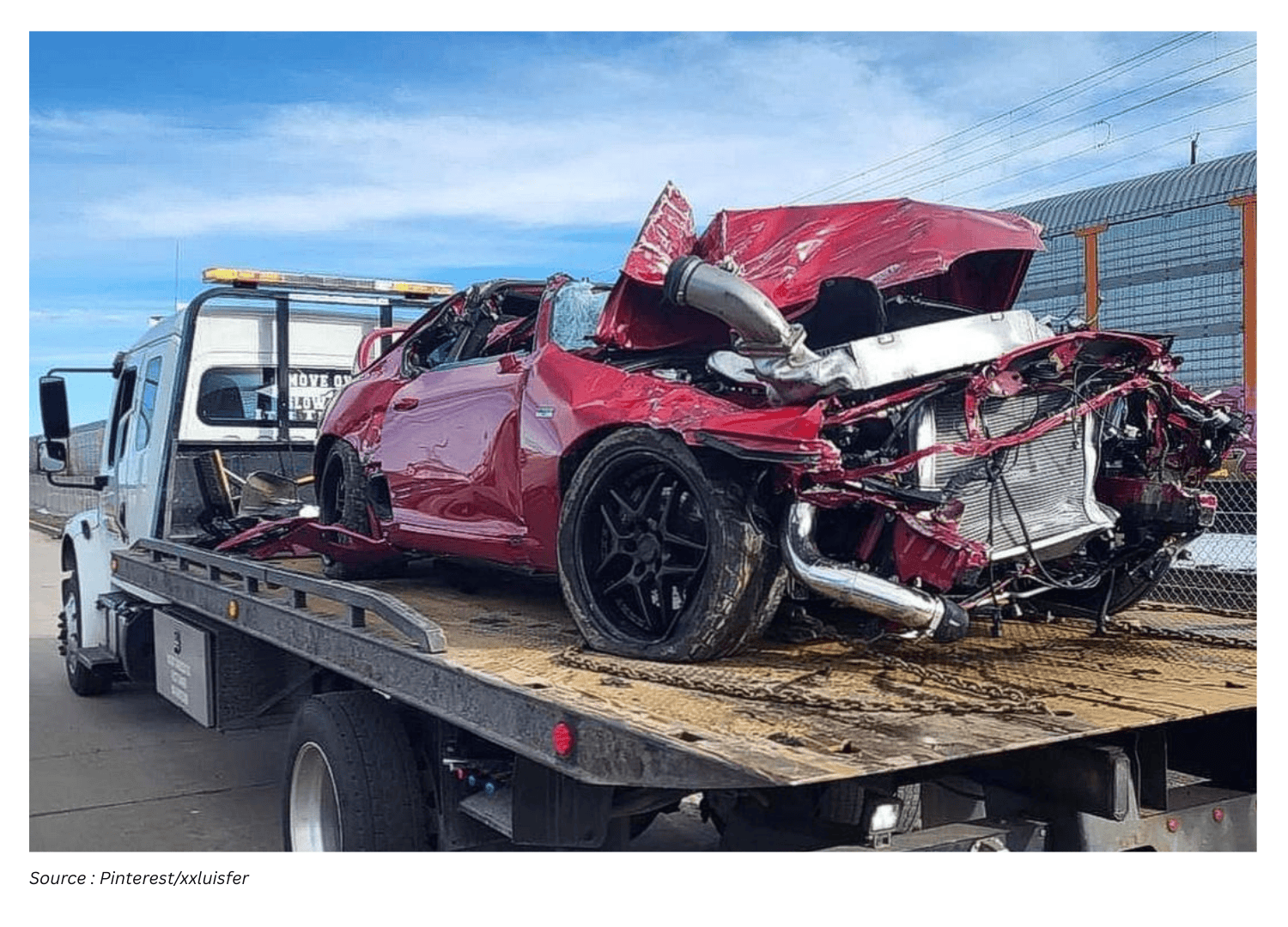
Why car insurance claims feel complicated
A car insurance claim can be more stressful than the incident that triggered it. After a crash, theft, or weather-related damage, you may be juggling safety concerns, vehicle damage, and time-sensitive decisions—while also trying to understand what your insurer needs from you. The process can be straightforward in some cases, but more involved in others, especially when a police report is required or when photos, videos, and detailed statements are needed.
One way to reduce the pressure is to treat the claims process like a checklist. Knowing what to do before, during, and after an incident helps you protect your health, preserve evidence, and avoid delays that could affect reimbursement. Many drivers also keep a printed list of steps in the glove box for quick reference.
If you work with an independent insurance agent, that agent can help you understand your policy, confirm what coverage applies, and even contact the insurance company to begin the claim. Even so, it is still useful to know the basics yourself so you can respond quickly when something happens.
What a car insurance claim is (and when you might file one)
A car insurance claim is a written or spoken request from a policyholder to an insurance company asking for monetary compensation for covered damage, theft, or destruction. In auto insurance, claims are commonly filed when a vehicle is damaged in a traffic accident, stolen, or damaged by a natural event such as hail.
Drivers sometimes ask how soon they can file a claim after buying insurance. The practical answer depends on the specific policy and when coverage begins, so it is important to review the effective date and terms with your independent insurance agent.
Step 1: Check for injuries and get medical help
After an accident, the first priority is health. Check whether anyone involved is injured, including passengers. If anyone is hurt, seek medical attention immediately. Even if an injury seems minor in the moment, it can develop into a more serious issue later, so getting evaluated can be a safer decision than waiting.
Depending on what your policy includes, medical payments coverage may help pay for medical treatment for you and your passengers after an accident, regardless of fault. If another driver is at fault, their bodily injury liability coverage should reimburse necessary medical treatment for you or your passengers.
Step 2: Get to safety and call for help when needed
Once you have checked for injuries, make sure you are somewhere safe. Avoid making calls while standing in the road. In any accident more serious than a minor fender bender, dial 911. In some situations you may be required to file a police report, and calling emergency services can help ensure that the correct documentation is created.
Step 3: Inspect vehicles and document the scene
As soon as it is safe, inspect your vehicle and the other vehicles involved. Try to note both internal and external damage before anyone drives away. Thorough documentation can be critical later, both for your personal records and for the insurer’s investigation.
Collect as much information as possible from the other driver and from any witnesses. This typically includes the other driver’s insurance information. Photos and video can also be valuable: capture the crash scene and visible damage. The goal is to preserve details that may become harder to reconstruct later.
- Photograph vehicle damage from multiple angles
- Record video of the overall scene if possible
- Gather the other driver’s insurance information
- Ask witnesses for their contact details
Step 4: Move the vehicle if appropriate—and arrange towing if necessary
When you can do so safely, attempt to get your car out of the way of moving traffic. If possible, move it to the side of the road or onto a shoulder. However, if the vehicle is not obstructing traffic, leave it where it is.
If your vehicle cannot be moved and towing is necessary, arrange for a tow. If your policy includes towing and roadside assistance coverage, you may be entitled to reimbursement for this service. This is another area where reviewing your policy terms ahead of time can reduce uncertainty during a stressful event.
Step 5: Notify your independent insurance agent and start the claim
After the immediate safety issues are handled and you have begun documenting the incident, notify your independent insurance agent. An agent can guide you through the next steps and can contact your insurance company to start the claims process. Even if you plan to speak directly with the insurer, your agent can help you understand what information will be requested and how your coverages may apply.
Timing matters. If you decide to file a claim, it is generally best to do so as soon as possible after the accident. Waiting can increase the risk of a claim being denied. Insurers and policies have specific timelines for reporting and filing, and the time you have to file can vary by carrier and by state.
How fault can affect your claim
Fault plays a major role in many auto claims. The person officially found to be at fault for a car accident can affect compensation and which insurance company pays. Generally, the at-fault driver’s insurance company is responsible for paying compensation after a car accident.
Insurance companies investigate fault after a claim is filed to ensure the correct carrier pays for the damage. In some states, shared fault may apply, meaning each driver can be assigned a percentage of fault. In that situation, each driver’s insurance company may be responsible for its portion. Because fault rules vary, it can be helpful to research your state’s negligence laws to understand how they may affect a claim.
Common claim types: bodily injury vs. property damage
Auto claims often fall into two broad categories, and the documentation and outcomes can differ depending on what is being claimed.
Bodily injury claims relate to injuries resulting from an auto accident, ranging from minor injuries to severe injuries and even death. In many situations, the at-fault driver’s auto insurance should provide compensation for medical treatment tied to the accident. Compensation can sometimes include funeral expenses in the event of death, or missed work and rehabilitation costs in the case of serious injuries.
Property damage claims involve physical damage to a vehicle or other property. This could include damage to your car, or damage to another piece of property you own (for example, if a vehicle strikes a fence). As with bodily injury, insurers investigate these claims for fault. In some cases, a policyholder may seek a decision outside the insurance claim process (such as guidance from an attorney) if they are unhappy with the insurer’s ruling on property damage.
Should you get an estimate before filing a claim?
For property damage, drivers often ask whether they should get an estimate before filing. Typically, yes—you will usually want an estimate before filing a property damage claim. An independent insurance agent can advise you on whether an estimate makes sense in your specific situation, but the general idea is to understand the likely repair cost before deciding how to proceed.
Know your policy before something happens: coverage and deductibles
One of the best ways to prepare for a smooth claim is to review your car insurance policy in depth before you need it. Knowing what your policy covers—and what it does not—can prevent surprises and help you make better decisions under pressure.
Pay particular attention to your deductible, which is the amount you pay out of pocket each time you file a claim before your insurer pays compensation. For example, if you have $1,000 in damage and a $250 deductible, you would pay $250 and could receive up to $750 from the insurance company.
It is also important to understand how long you have to file. The claims process can vary by insurer and local laws, but drivers may have anywhere from about 30 days up to a few years to file, depending on the state. Because timelines can differ, confirm the requirements that apply to your policy and location.
When filing a claim might not be worth it
Filing a claim is not always the best choice. In practice, there can be an “ideal claim zone” where the benefits of filing outweigh the costs. The basic approach is to calculate potential expenses and decide whether the likely reimbursement is worth the possibility of a premium increase.
A simple example shows why the math matters: if repairs cost $505 and your deductible is $500, filing a claim may not be worth it for a $5 difference—particularly if filing could increase your premium later.
Every situation is different, but thinking in terms of the deductible and the size of the loss can help you decide whether to involve the insurer or handle the repair cost yourself.
How to file efficiently: documentation and accuracy
Once you decide to file, move quickly and document thoroughly. After an accident, proper and extensive documentation of the details is critical for your records and for improving the chances of a successful claim. Accurate information can also reduce back-and-forth questions later.
If you are unsure how to complete claim forms or what details matter most, your independent insurance agent can help answer questions and may be able to file the claim directly on your behalf.
- File as soon as possible after the incident
- Keep copies of photos, videos, and notes for your records
- Make sure the details you provide are consistent and complete
- Ask your agent for help if you are uncertain about any step
What happens after you report a claim
After you report an accident or loss, much of your time may be spent waiting while the insurer handles its part of the process. Insurers typically review the information you provide, investigate fault when relevant, and determine how the policy applies to the loss.
Depending on the damage, the insurer may decide to pay for repairs or declare the vehicle a total loss. If the car is deemed a total loss, it will not be scheduled for repairs. Instead, you would receive the maximum amount of compensation included in your policy, which may be based on actual cash value coverage.
Premium increases and forgiveness programs
In the long run, filing a claim could cause your car insurance premium to increase. Whether and how much your premium changes can depend on multiple factors, including the severity of the accident, your policy, and your driving record.
Some insurance companies offer good driver discounts and other forgiveness packages. Because these features vary by insurer and policy, it can be helpful to review what your policy includes before you need to file a claim.
Uninsured and underinsured motorist situations
Uninsured motorist coverage varies by state. If you do not have uninsured/underinsured motorist coverage and you are hit by someone whose policy limits will not cover all of your expenses, you may need to assess whether it is worth filing a claim for the remaining balance.
If you do have uninsured/underinsured motorist coverage and you are hit by someone who has no insurance or does not have adequate coverage, filing a claim with your own insurance company may be an important step toward recovering costs that would otherwise go unpaid.
A printable, glove-box-friendly checklist
Many drivers find it helpful to keep a short checklist handy. The goal is not to memorize every detail, but to remember the sequence: safety first, then documentation, then reporting.
- Check for injuries and seek medical attention
- Move to a safe location; call 911 for anything beyond a minor incident
- Document damage and the scene with photos and video
- Collect the other driver’s insurance information and witness details
- Move the vehicle if safe; arrange towing if needed (and check for reimbursement)
- Notify your independent insurance agent and file promptly if you decide to claim
Bottom line
No one looks forward to filing a car insurance claim, but a clear process can make it manageable. Focus first on health and safety, then gather information and document the scene, and finally report the incident promptly if you decide a claim makes sense. Understanding your deductible, the role of fault, and what your policy covers can help you make more confident decisions—and an independent insurance agent can provide guidance throughout the process.