
Underinsurance deepens disadvantage when disasters strike: why “just buy more cover” is not enough
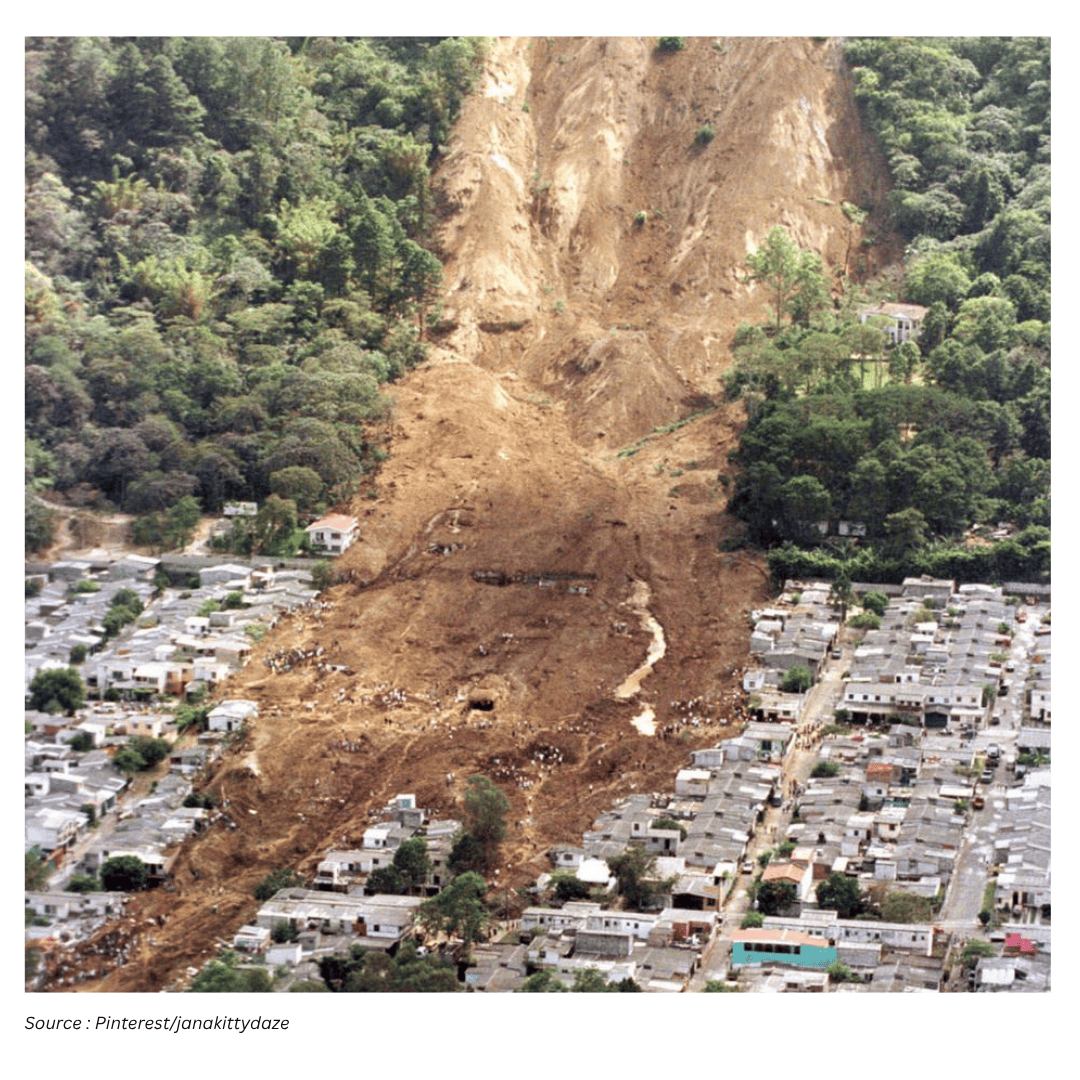
More than 70 homes were destroyed by bushfires in Western Australia this week, leaving those affected facing enormous costs. In the aftermath of disasters like these, insurance is often assumed to be the financial backstop that helps people rebuild and return to normal life. Yet for many households, insurance is not there in the way they need it—either because they do not have a policy at all, or because the cover they do have falls short of the real costs.
This gap between what people expect insurance to do and what it actually delivers has serious consequences. In Australia, where one in six children live in poverty, significant rates of underinsurance can entrench disadvantage and hardship. As the consequences of unmitigated climate change unfold, this dynamic is likely to worsen, with more households exposed to disruption and loss.
How common is underinsurance?
Underinsurance is not a niche problem affecting only a small group of people. Available figures indicate:
- Up to 10% of homeowners or mortgagees are without home insurance.
- About 40% of renters are without contents insurance.
These numbers matter because disasters do not only damage buildings. They also destroy furniture, appliances, tools, clothing, and personal possessions—items that can be costly to replace and, in some cases, impossible to replace in any meaningful way. When households do not have enough insurance, a bad situation can become worse and the path back to stability becomes longer and more uncertain.
Why “get more insurance” is not a complete answer
A common response to underinsurance is to encourage people to buy more cover or to buy the “right” type of policy. But national research suggests this is not necessarily the answer on its own. To understand why, it helps to start with a more basic question: why are people underinsured in the first place?
Underinsurance happens for different reasons, and many of them are not about negligence or a lack of responsibility. In many cases, underinsurance is accidental rather than deliberate. People may believe they have made a sensible decision based on the information they have, only to discover after a disaster that the sums do not add up.
Accidental underinsurance: when estimates fall short
Calculating the true cost of repairing or rebuilding a home is difficult. Construction costs can be hard to estimate, risks are uncertain, and insurers often apply complex rules. Online calculators can help, but they also come with fine print and assumptions that may not be obvious to consumers.
One interviewee, Bridget*—who was burnt out by Victoria’s Black Saturday bushfires in 2009—described how reasonable assumptions can still lead to major shortfalls:
You think okay, this is what I paid for the property […] I reckon I could rebuild it for X […] I think we had about A$550,000 on the house, and the contents was maybe $120,000 […] You think sure, yeah I can rebuild my life with that much money. But nowhere near. Not even close. We wound up with a $700,000 mortgage at the end of rebuilding.
Bridget’s experience illustrates a core problem: even when people try to do the right thing, it can be extremely hard to match insurance cover to real-world rebuilding costs. The result is not merely an administrative inconvenience. It can translate into long-term financial pressure, including new or expanded debt, at precisely the time a household is trying to recover from trauma and disruption.
Renters and contents insurance: a hidden vulnerability
Renters face a different set of risks. The building itself will probably be insured by the landlord, but renters may forgo contents insurance. This decision can appear rational in the short term, particularly when budgets are tight or when the perceived chance of a disaster seems low. But when a flood or fire does occur, the consequences can be immediate and severe.
After the Hobart floods in 2018, an interviewee named John described what happened when his rented home was flooded and he did not have contents insurance:
We were wondering about temporary accommodation, whether they would put us up until we found a new place to live […] They said that that was under contents insurance, which was our responsibility, and the house insurance just covers the house.
This is an important distinction that many renters may not fully appreciate until it is too late. Without contents insurance, renters can be left without support for temporary accommodation and without funds to replace essential items. The building may be repaired, but the renter’s life can remain in disarray.
Budget constraints: choosing less cover to afford any cover
Underinsurance is also linked to income. If you are on a lower income, you are more likely to be underinsured. For many households, the question is not whether insurance is a good idea, but what level of cover they can afford while still paying for other necessities.
Sandra, who lives in a bushfire-prone area, explained how limited budgets shape insurance decisions:
The contents is insured to $20,000 … We’ve got a lot of irreplaceable stuff here … and a lot of equipment of value … the value is going to be far more than that. But I just hope that we’d have like a small kitty that would be like $20,000. I figured would be enough to replace just the essential items.
Sandra’s approach is not irrational. It is a form of triage—aiming to secure at least some capacity to recover, even if it is not enough to fully replace what is lost. But it also shows why blanket messages about “getting more insurance” can miss the point. For households already making difficult trade-offs, higher premiums may not be feasible.
Distrust and complexity: when people doubt policies will pay out
Another driver of underinsurance is distrust of insurers. This may be based on previous experiences where a claim did not come through as expected, or it may reflect political perspectives that question the power of large corporations. In practice, distrust can lead people to reduce cover or opt out entirely, particularly if they believe the policy wording will be used to deny claims.
Rosalie and her family live without any house and contents insurance, describing their concern this way:
Just the way they (insurers) word things […] they’re trying to make sure they exclude certain things, and while we sort of fall within the parameters of what’s included, I have a feeling that they’ll go, ‘oh no, you’ve got a dingle on your dangle and it’s just not included’.
When people believe the system is designed to exclude them, the perceived value of paying premiums diminishes. This is not only a consumer confidence issue; it is a resilience issue. A community’s ability to recover after disaster depends in part on whether households trust the mechanisms that are supposed to help them rebuild.
Information burdens: risk, rebuilding costs, and the limits of personal capacity
Even where more insurance could help, deciding how much cover is needed requires access to accurate rebuild or valuation costs. It also requires the time and capacity to understand and keep up to date with complex knowledge about risk and construction—something that is beyond the capacities of many people who already live busy lives.
For renters, the information burden can be different but just as challenging: they need the capacity and time to understand the risks of being an underinsured renter and the ways in which responsibilities are divided between building insurance and contents insurance.
These realities complicate the idea that underinsurance is primarily a matter of personal choice. In many cases, it is shaped by the difficulty of making informed decisions in a complex system, under financial pressure, and often without specialist knowledge.
Reframing the question: how can insurance work better for people?
Instead of focusing narrowly on telling people to buy more of the right type of insurance, a more constructive approach is to ask how insurance can work better for people. This does not mean ignoring personal responsibility, but it does mean recognising the structural factors that drive underinsurance: affordability constraints, complexity, and trust.
Insurance, at its best, spreads costs and risks across populations. It recognises that shared interests can create shared benefits. Maintaining the public benefit of insurance includes making it more equitable through government regulation and consumer demand.
This is especially important because insurance is meant to function as a safety net when disaster strikes. If the safety net becomes inaccessible to those most likely to need it, the social purpose of insurance is undermined.
Resisting excessive individualisation in insurance products
One trend that deserves scrutiny is the move toward insurance products tailored in response to individual characteristics and risks. While tailoring might sound efficient, it can have distributional consequences. Individualisation tends to favour those with higher incomes and lower levels of risk, while marginalising disadvantaged populations living with higher risk. In other words, it can put insurance out of reach for those most likely to need it.
From an equity perspective, this matters because disasters do not affect everyone equally. When high-risk households are priced out, the burden of recovery shifts onto those who are least able to carry it, deepening existing disadvantage.
Insurance is not the only disaster recovery tool
Governments should not view insurance as the key disaster recovery tool, and must not rely on individuals to manage their own risks with insurance. Insurance is only one tool in disaster preparedness and recovery. Other measures require strong government leadership, including:
- Building code reform
- Effective land-use planning
- A well-funded social safety net
These measures address risk and vulnerability at their source, rather than placing the full weight of recovery on households after the fact. They also recognise that resilience is not just an individual attribute; it is shaped by policy, infrastructure, and the support systems available when people are hit by events beyond their control.
Moving beyond blame in a changing climate
In a changing climate, governments must recognise that “we are all in this together.” When disasters occur, telling people “Well, you should have been insured” can be unhelpful, unfair, and divisive—especially given the many reasons why someone might be underinsured. It can also allow governments to shirk responsibilities toward all citizens by framing disaster recovery as purely a private matter.
A more durable approach is to treat underinsurance as a social and policy challenge as well as a consumer issue. That means taking seriously the ways underinsurance is produced: through accidental miscalculations, through the hidden vulnerabilities renters face, through the constraints of limited budgets, and through distrust and confusion created by complex wording and rules.
Disasters will continue to test communities. Whether insurance supports recovery—or becomes another factor that entrenches hardship—depends on how equitably the system distributes costs and risks, and on whether broader government leadership strengthens the conditions that make recovery possible.
* All names have been changed to protect identities.